- Home
- News
- Meet the experts at the ADI Masterclass: Management of the Esthetic Zone
Meet the experts at the ADI Masterclass: Management of the Esthetic Zone
23 September 2026
On 14 November, the ADI will bring together an international faculty of leading clinicians and researchers for a full-day Masterclass exploring one of the most demanding areas of implant dentistry: the management of the esthetic zone.
Held in collaboration with the Osteology Foundation at IET London: Savoy Place, the programme will examine the biological, surgical and restorative factors that influence predictable outcomes, from healing and bone metabolism to soft tissue management, peri-implantitis, implant surfaces and prosthodontic treatment planning.
Ahead of the event, we spoke to several of the speakers about their sessions and what they hope delegates will take away from the day.
Professor Nikolaos Donos: understanding the biology of healing
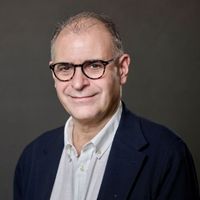 As co-chair of the Masterclass, Professor Nikolaos Donos will open the programme with an overview of the factors that influence healing in implant dentistry, providing a biological framework for many of the topics explored throughout the day.
“Successful treatment is not determined simply by the implant or surgical procedure; it depends on the interaction between the patient, tissue biology, the implant site, and our clinical decisions. My session will provide an overview of the factors that influence healing in implant dentistry. I will consider the key biological and clinical factors affecting healing and how we can identify and manage them. This provides a framework for the day, as these principles are explored further through topics including bone metabolism, surgical technique, tissue phenotype, peri-implantitis and tissue reconstruction.
“I hope attendees will come away with a more patient-specific and biologically driven approach to treatment planning. Implant dentistry is highly predictable, but this depends on recognising that every patient and implant site presents a different biological environment. The wider programme brings together the biological, surgical, and restorative perspectives, helping clinicians integrate these considerations into a more coherent and predictable workflow.
Dr Kasia Gurzawska-Comis: bone metabolism and healing
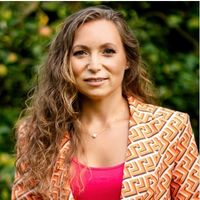 Dr Kasia Gurzawska-Comis, Senior Clinical Lecturer and Honorary Consultant in Oral Surgery at the University of Liverpool, will examine the relationship between ageing, bone metabolism and healing, including the influence of systemic disease and medications.
Her session, Impact of Bone Metabolism on Healing in Elderly Patients, will also introduce emerging regenerative approaches and the potential of immune-instructive biomaterials to support bone regeneration.
“Understanding how medications and systemic health alter bone metabolism allows us to better assess risk, prevent complications and optimise treatment outcomes. The lecture will also introduce the next generation of regenerative biomaterials designed to actively modulate the immune response rather than simply replace lost tissue.
“Regenerative dentistry is moving towards biologically active materials that work with the patient's immune system. These immune-instructive biomaterials have the potential to promote a pro-regenerative environment and enhance alveolar bone regeneration. Although many are still progressing through translational research, they represent an exciting direction for the future of implant and regenerative dentistry.”
Professor Antonio Liñares: the biology of soft tissue healing
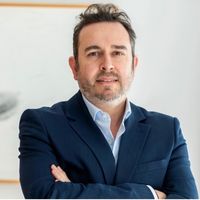 Professor Antonio Liñares, Professor in Periodontology at the University of Santiago de Compostela, will explore the differences in soft tissue wound healing around teeth and implants, and their implications for treatment planning.
His lecture, Soft Tissue Augmentation Around Teeth and Implants: What are the Healing Differences?, will draw on experimental and clinical evidence to examine graft integration, keratinised tissue formation, tissue stability and aesthetic outcomes.
“The lecture will review the current evidence on soft tissue wound healing around teeth and implants as well as using experimental and clinical data to explain how tissue biology influences graft integration, keratinised tissue formation, tissue stability, and aesthetic outcomes.
“Particular emphasis will be placed on the biological concepts derived from our experimental model investigating keratinized tissue regeneration around teeth and implants, together with their clinical implications for connective tissue grafting and peri-implant soft tissue augmentation. Finally, practical recommendations will be provided to help clinicians optimise treatment planning in the aesthetic zone through biologically driven decision-making.
“I hope that attendees will be able to apply wound healing principles to improve outcomes in periodontal and implant therapy and understand how to incorporate biological concepts into evidence-based treatment planning. I look forward to attending!”
Dr José Nart: managing soft tissue deficiencies
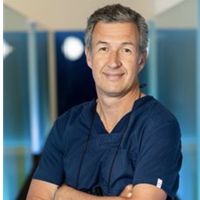 Dr José Nart will focus on the diagnosis and management of peri-implant soft tissue deficiencies, covering case selection, tissue phenotype, implant position, prosthetic factors, flap design and connective tissue grafting.
“The main takeaway is differentiating between a deficiency which is predictably treated, and on the contrary treating a soft tissue dehiscence is not simply about covering a recession defect. Predictability depends on understanding the biology, the prosthetic design, the implant position, and the patient’s expectations.”
Professor Dr Julia-Gabriela Wittneben: planning for predictable outcomes
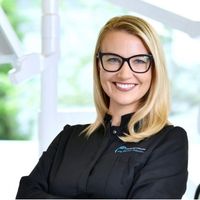 Professor Dr Julia-Gabriela Wittneben will bring a prosthodontic perspective to the programme, with her session covering provisional phases, soft-tissue conditioning, loading concepts and definitive prosthetic design.
Particular attention will be given to immediate versus conventional loading and the use of pink ceramics to compensate for tissue deficiencies and optimise aesthetic outcomes, alongside current evidence on the survival and success of implant-supported restorations.
Professor Dr Michael Payer: what makes an implant surface work?
Professor Dr Michael Payer, Vice Chair of the Department of Oral Surgery & Orthodontics at the Medical University of Graz, will examine how implant surface topography, chemistry and energy properties influence osseointegration, bone healing and soft tissue attachment.
“Implant surface characteristics significantly influence the biological response at the bone-implant and soft tissue-implant interfaces. Evidence-based discussion of surface modifications, their mechanisms of action, and clinical implications will guide clinicians in selecting appropriate implant surfaces for optimal hard and soft tissue reconstruction.
“Upon completion of the presentation, participants will be able to understand the key surface properties that influence implant performance and biological integration, differentiate between various surface treatment modalities and their specific effects on hard tissue response, and discuss the influence of implant surface design on peri-implant health and aesthetic outcomes. I hope that this this knowledge will then be applied to make evidence-based treatment decisions in clinical practice. I look forward to seeing you there!”
A day built around evidence and clinical decision-making
Together, the speakers will examine the esthetic zone from a range of perspectives, with sessions covering healing and bone metabolism, soft tissue augmentation, tissue phenotype, peri-implantitis, hard and soft tissue reconstruction, implant surfaces and prosthodontic treatment planning.
As Professor Donos explains, the value of the Masterclass lies not only in the individual lectures, but in bringing different perspectives together. The programme will conclude with a round-table discussion, giving speakers and delegates an opportunity to explore the issues raised throughout the day.
ADI Masterclass: Management of the Esthetic Zone
Saturday 14 November 2026
IET London: Savoy Place
Book before 30 September to receive the 25% early bird discount.
View the full programme and book your place
View other News